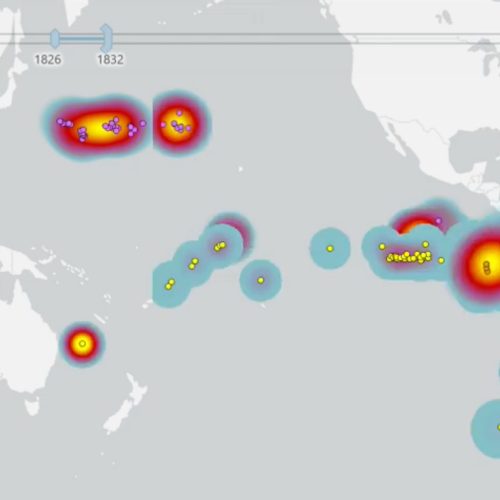
The digital engages five broad research strands emerging in the humanities: firstly, the creation of web-based collections, archives, and text-encoding initiatives; secondly, the reading and anal-ysis of electronic hypertexts; thirdly, the application of geospatial and discursive mapping and coding technologies; fourthly, approaches deploying gaming and 3D immersive visualisations; and fifthly, the explosive growth of big data, social computing, crowdsourcing, and networking opportunities (Holm, Jarrick, and Scott 2015).
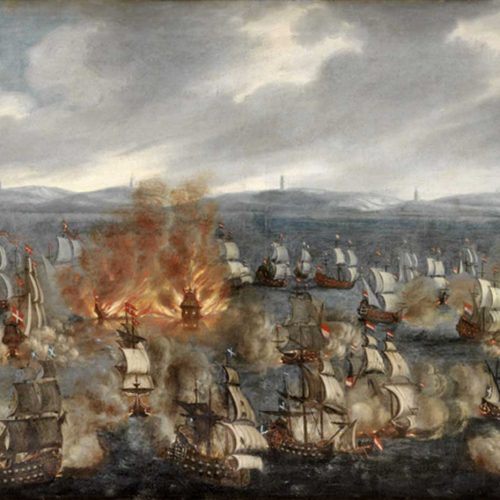
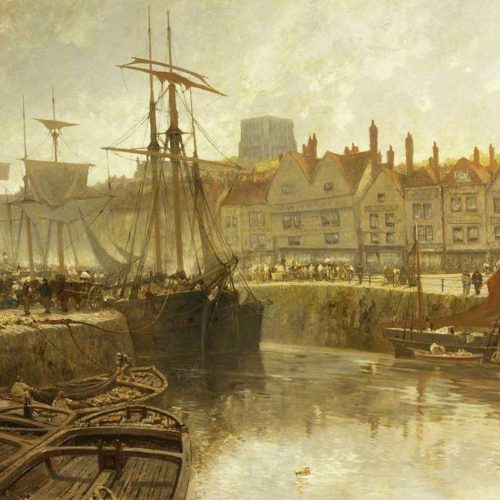
Digitally enabled syntheses between old (books, archives, maps, paintings, film, etc.) and new types of media (qualitative analysis software, geo-graphic information systems [GIS], social media, gaming and virtual reality platforms, etc.) are becoming increasingly salient to the study of human-environmental relations.
In turn, research and teaching initiatives coalescing under the umbrella of the DEH are beginning to address three interrelated phenomena characteristic of the 21st century: the digital revolution, global warm-ing, and sociopolitical agency related to environmental change (Travis 2018).